webinar
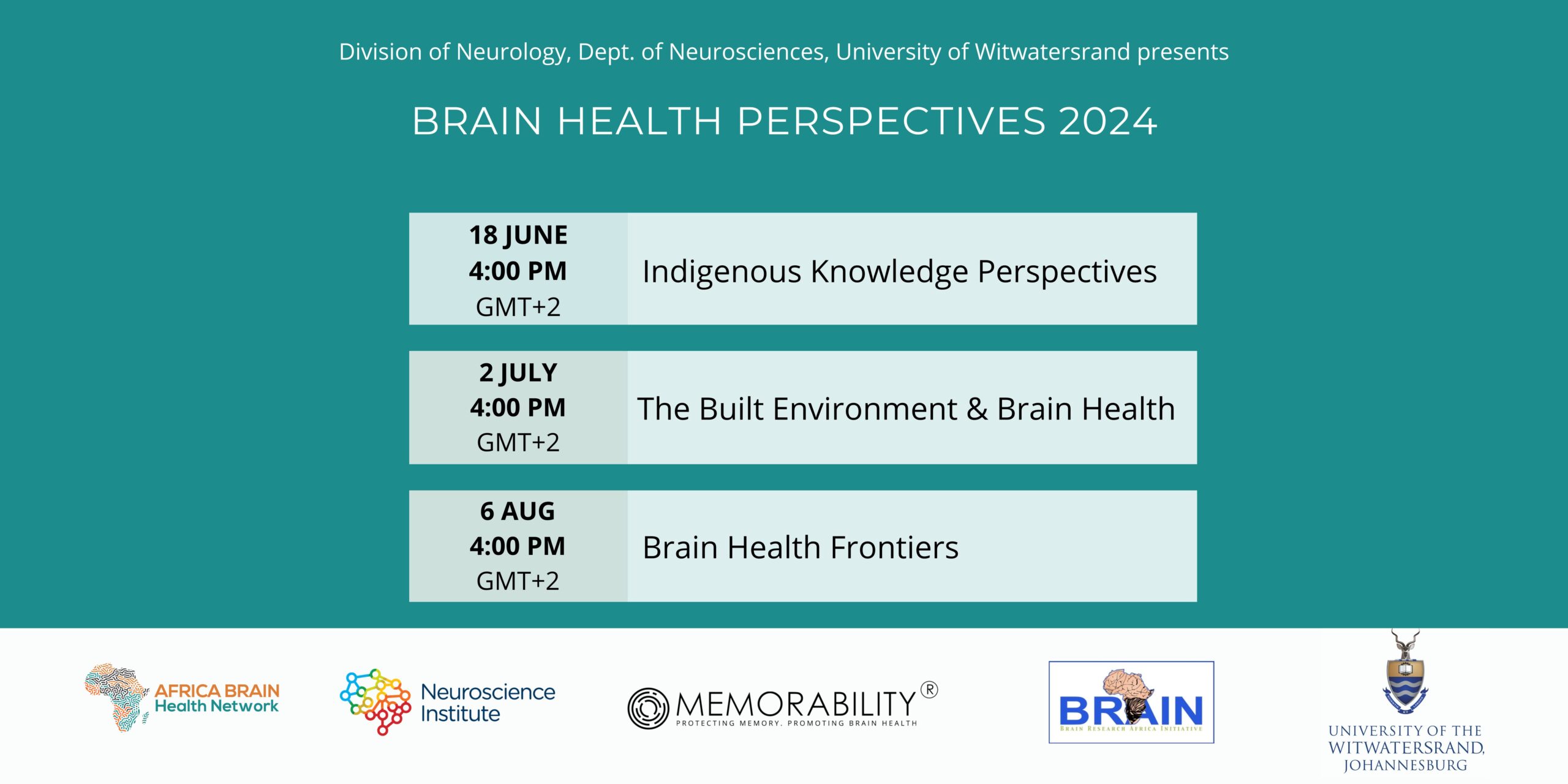
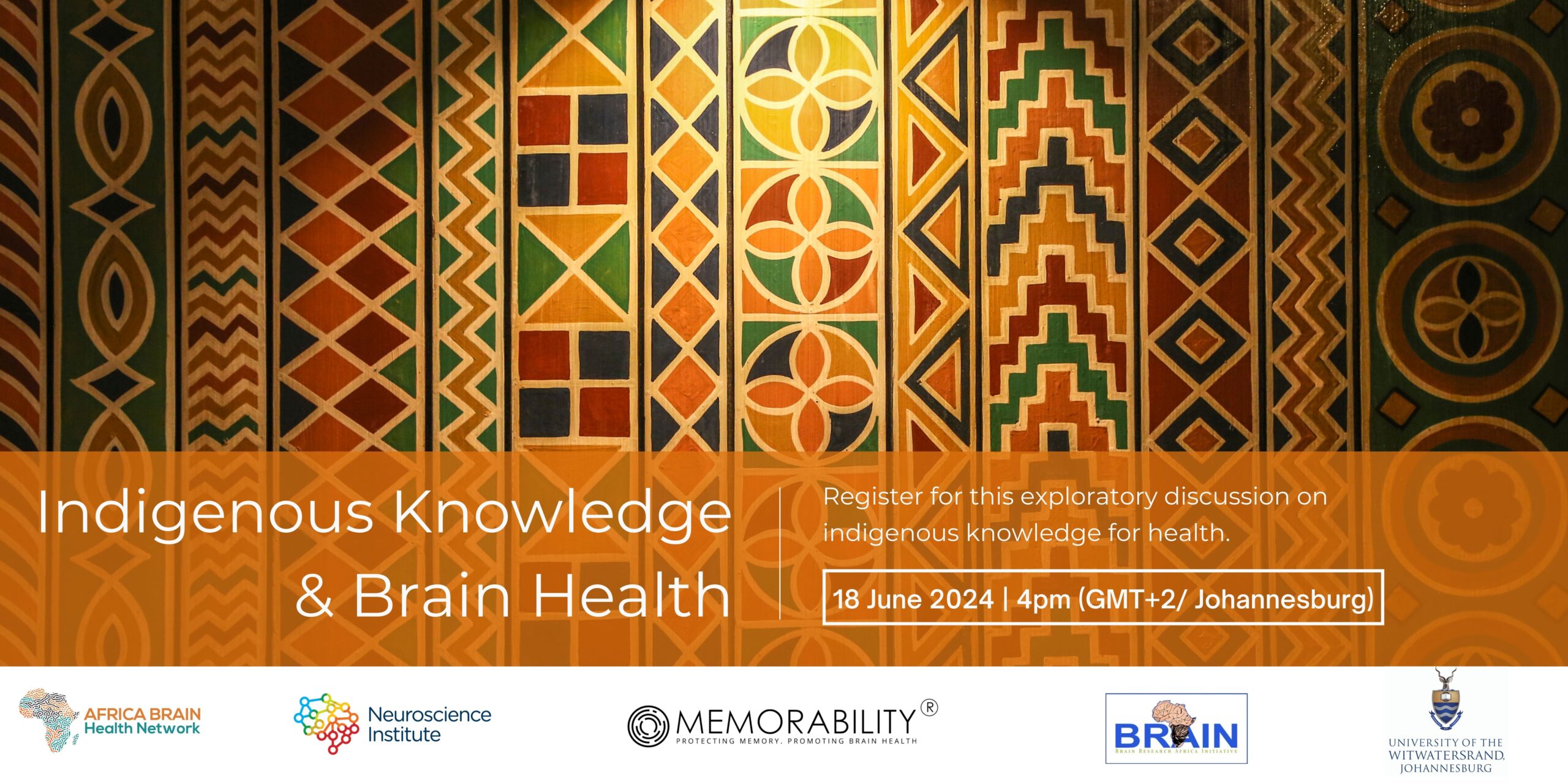
Indigenous Knowledge Perspectives
A healthy brain is essential for optimal cognitive, emotional and behavioural function. Brain Health includes health promotion, strategies to reduce the risk of illness and improve management, the development of brain skills and brain capital. It is an exciting field with the potential to help many people.
Indigenous Knowledge Systems remains neglected in most dominant discussions on health and health systems and yet is accessed by billions across the globe to their health. Accessible, affordable and equitable approaches to support brain health requires spaces, perspectives and approaches that support engagement across different knowledge systems.
SPEAKERS
Welcome: Prof. Andre Mochan
Chair: Kirti Ranchod
Panel Discussion
1. Dr. Sinethemba Makanya
2. Dr. Maritza Pintado-Caipa
3. Gratia Aimée Ilibagiza Mutabazi
4. Prof. Vinod Diwan
Meeting Coordinator: Wambui Karanja
Time: 4pm ( South Africa, CAT, GMT+2)
SPEAKER DETAILS
Dr. Sinethemba Makanya
Dr. Sinethemba Makanya is an Inyanga, specializing in psycho-spiritual diseases, mental health, and sexual reproductive health, and a research lecturer at the University of Johannesburg. Previously she lectured on medical and health humanities and health systems science at Wits. Her research interests center around Indigenous Knowledge Systems and the application of their philosophies by practitioners (such as izinyanga and izangoma) in ways that strengthen theory from (and of) the Global South. She is also interested in how Indigenous Knowledge Systems and their practitioners can become active players in the transformation of curricula.
Dr. Maritza Pintado-Caipa
Dr. Maritza Pintado-Caipa, is a Neurologist based in Lima, Peru who specializes in the prevention, timely diagnosis, and proper management of dementia amongst vulnerable populations. Dr. Pintado-Caipa is also a Senior Atlantic Fellows for Equity in Brain Health with the Global Brain Health Institute at the University of California, San Francisco, and Trinity College Dublin. Past member of the Global Atlantic Senior Fellows Advisory Forum at the Atlantic Institute. Member of the Latin American and Caribbean Consortium on Dementia (LAC-CD) and Multi-partner Consortium to Expand Dementia Research in Latin America.
She was born and raised in an Andean, rural region of Peru, so she is acutely aware of the health and social inequities that affect many rural regions. She developed her training in neurology at the National Institute of Neurological Sciences in Lima, Peru. After training, she had the opportunity to work in the underserved, interior of the country, at a remote community located near the border of Peru, Bolivia, and Chile, where she had the opportunity to experience the reality of the health of people living in truly vulnerable, underrepresented areas of the country. This experience became her motivation to become an Atlantic Fellow for Equity in Brain Health.
Currently, she is leading research about cognitive health and functionality in illiterate older adults in remote communities of Peru and is a leader in the field of brain health promotion and dementia prevention, seeking to make transcendental changes in the most vulnerable regions of Peru and Latin America in order to contribute to the reduction of health inequities.
Gratia Aimée Ilibagiza Mutabazi
Gratia Aimée Ilibagiza Mutabazi is an MA research fellow at the Centre for the study of the Afterlife of Violence and the Reparative Quest (Stellenbosch University (SU)). She describes herself as a creative improvisor, Rwandan traditional dance practitioner, and educational facilitator. Her research interests explore questions of identity, embodiment and belonging amongst Rwandan refugees living in exile, through the lens of cultural song, dance and performance. Gratia is dedicated to and interested in educational spaces, where she can apply her knowledge and skills as contributions to collective growth and healing.
Prof. Vinod Diwan
Prof. Vinod K. Diwan is a Senior Professor and Director of Centre for Global Health at Karolinska Institutet (KI) in Sweden. He has long and extensive experience of research and research training and funding. He has functioned as principal investigator for a number of large European Union funded projects.
Prof. Andre Mochan
Prof. Andre Mochan is an Associate Professor in the Division of Neurology, the Clinical Head of Neurology at Chris Hani Baragwanath Hospital since 2009 and the Academic Head of Neurology in the Department of Neurosciences in the School of Clinical Medicine. He is the current Secretary of the College of Neurology and recent office bearer of the Neurology Association of South Africa (NASA).
In 2014 he established a dedicated multidisciplinary Motor Neuron Disease / Amyotrophic Lateral Sclerosis (MND/ALS) Clinic at Chris Hani Baragwanath Hospital. Through the MND/ALS clinic he participates in the drive for genomic research on African ALS patients and is Co-Principal Investigator of the newly launched ALS-Africa NET study employing cutting edge WGS techniques, performed locally, to characterise uncharted genes in ALS. He also is the initiator and Principal Investigator of the South African Neurology COVID-19 database.
Dr. Kirti Ranchod
Dr. Kirti Ranchod is a neurologist from South Africa, Global Atlantic Fellow for Equity in Brain Health, co-founder and chair of the Africa Brain Health Network and has served on the board of Alzheimer’s South Africa. She has extensive clinical experience in medicine and neurology. Kirti founded Memorability to make brain health tools accessible, practical and effective including online and in person courses, talks ,and workshops. She runs a series of talks on “Investing in Our Cultural Capital for Better Brain Health’ at the Origins Centre, University of Witwatersrand. She completed a project with REMI East Africa in Uganda to support healthcare workers with practical mental health tools and has run several corporate brain health workshops. Interests include the role of traditional practices and Indigenous Knowledge Systems in promoting health, the neuroscience of art, and understanding the different perceptions of memory.
Wambui Karanja
Wambui Karanja is a psychologist and independent consultant who works in research, advocacy, and caregiving of people with dementia in various African settings. Wambui coordinate the Africa Brain Health Network, an organization that aims to promote awareness of brain health across the lifespan in Africa and beyond. She holds a Bachelor of Arts in Psychology from Kenyatta University, was a graduate attaché at the British Institute in Eastern Africa and researched perceptions of cognitive decline and dementia among informal caregivers. She is an alumnus of Young African Leadership Initiative, (YALI) East Africa, and a global Atlantic fellow for Equity in Brain Health.